Preparing for Life and Academics for Young Survivors
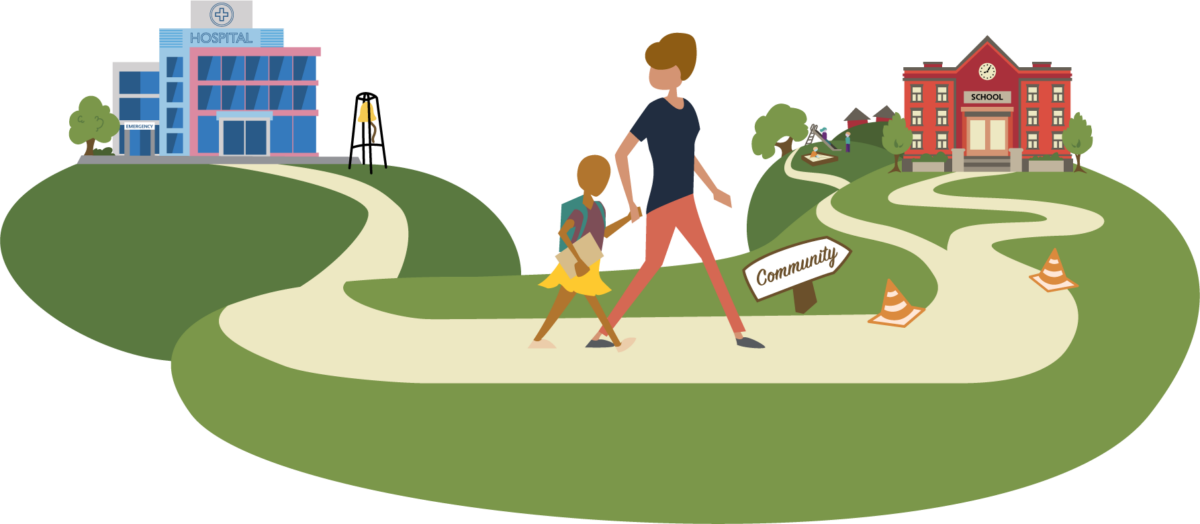
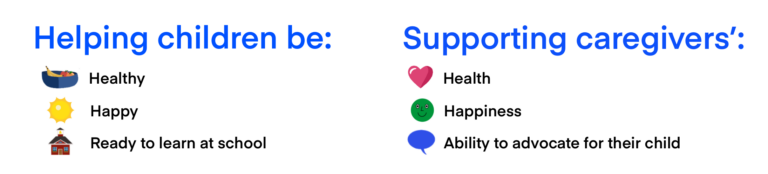
The Preparing for Life and Academics for Young survivors (PLAY) program is for families of young childhood cancer survivors who are 3-6 years old. Survivors include children who are living with cancer and in remission. Following cancer, your family’s journey from the hospital back to “normal life” may not be easy or straightforward. In fact, some families call it “finding the new normal,” since some parts of life continue to look different after cancer. Connecting with resources and learning new skills as a caregiver can help you, your child, and your family with this transition. We value your input and time to help make this program better for other families. As a thank you, you will be compensated up to $300 for your participation.
Caregiver who completed PLAY
It is worth the small amount of time and effort that you put into it. You learn and gain so much and it makes you step back and see the light over your kid.
Caregiver who completed PLAY
I would honestly recommend the PLAY program to every parent. There’s so many different things that we gain from this. Just learning how differently you can parent your kid — every child is different, every situation is different, and I think that every parent would benefit from the PLAY program.
Caregiver who completed PLAY
Watching those personal testimonies of other parents going through the same stuff that you’ve gone through…it makes a huge difference to know that you’re not alone.
Caregiver who completed PLAY
It was so easy. I could pause and walk away from my device, then pick right back up, login, and continue. Everything is available literally at the click of your mouse.
STEP 1
View Modules
Welcome to PLAY! You will meet with your coach up to 8 times to complete the 6 online modules. The modules were designed to be helpful for all families.
Go ahead and get started with Module 1!
STEP 2
Meet with coach online
Each online module will be followed by a meeting with a trained coach who will discuss your PLAY Time, help you use the skills you are learning with your child, and answer any questions.
STEP 3
Daily 5-minute PLAY Time
Each week, you should make time to play one on one with your child in PLAY Time to practice the skills you learn!
Social Worker
Utilize all the resources available along the way and connect with them as early as possible.
Oncologist
When we say that ‘it’s a marathon not a sprint’ in the beginning, we’re often referring to the treatment journey. But everything post-treatment is part of that marathon. It’s a lifelong journey that you’ll be on and there are many things that will evolve and that you’ll learn along the way.
School Liaison
Early intervention is the best intervention… even if you’re just worried that there might be a problem, early intervention can help resolve it before it becomes a bigger problem.